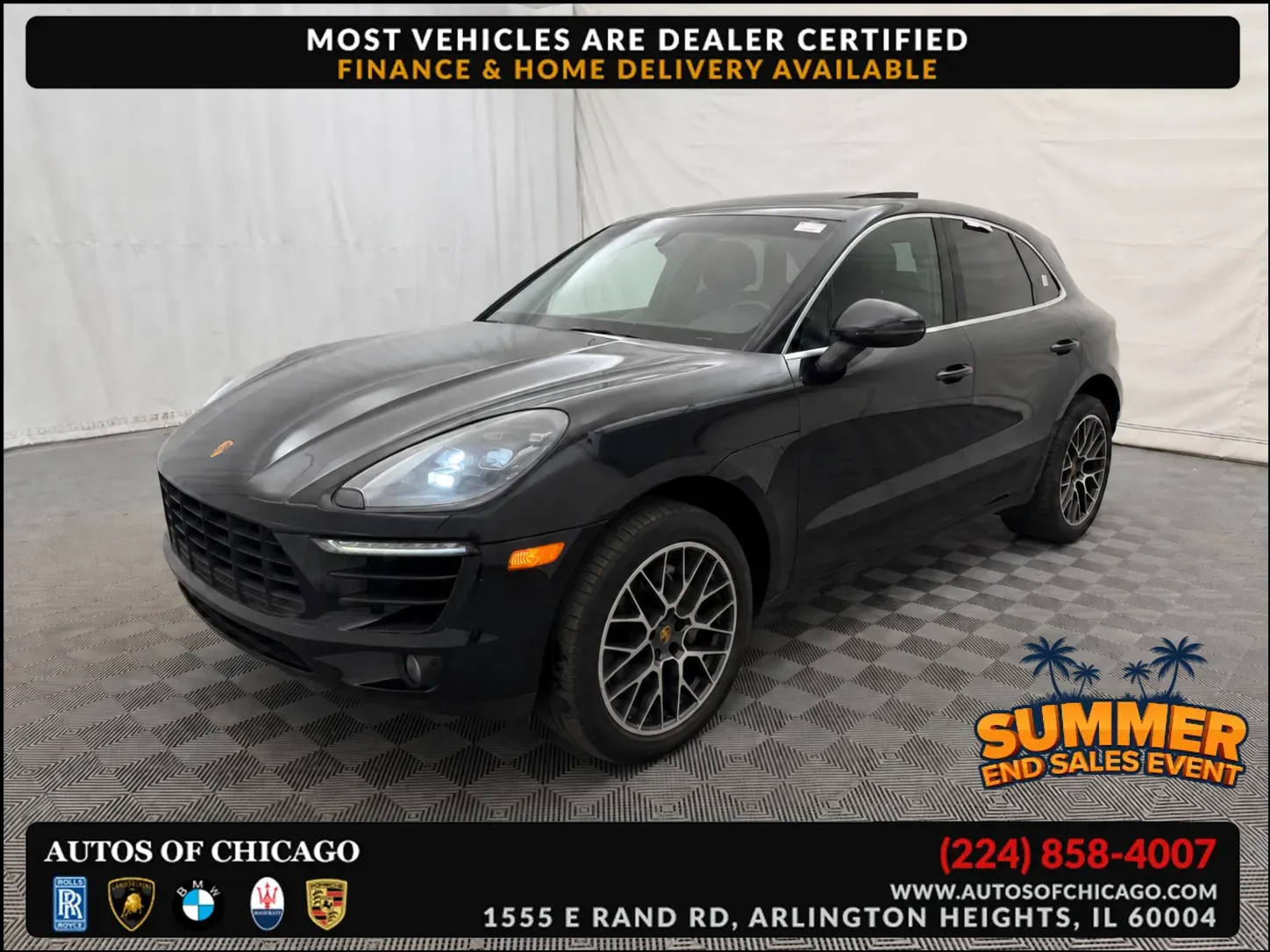

The test drive is the single most vital step in buying a pre-owned car, truck, or SUV. Far too many car buyers treat a test drive like a casual spin around the block—adjusting the stereo volume, admiring the leather seats, and driving for five minutes before returning to the dealership lot. While interior comfort matters, the primary purpose of a test drive is an active mechanical audition under real-world operating conditions.
Driving in the Chicago metropolitan area places extraordinary demands on a vehicle’s steering rack, suspension bushings, transmission clutch packs, and thermal cooling systems. Between rutted pavement on Rand Road, steep highway on-ramps merging onto Route 53, and sudden emergency braking in heavy expressway traffic, a proper Chicago road test will reveal hidden mechanical flaws that a static visual inspection cannot. At Autos of Chicago, located at 1555 East Rand Road in Arlington Heights, IL, we encourage our customers to perform thorough, real-world evaluations. Below is our master step-by-step checklist and technical inspection guide for test-driving a used vehicle in 2026.
The Step-by-Step Test Drive Checklist: Before, During & After
Follow this rigorous chronological evaluation routine to test every major powertrain, suspension, and safety system:
- Phase 1: The True Cold Start: Always request to start the vehicle completely cold (meaning the engine has sat parked for several hours). Touch the hood or valve cover carefully to ensure it isn’t warm. Turn the ignition and listen: does the starter crank briskly, or does it hesitate? Does the valvetrain chatter, clatter, or tick during the first 5 seconds? Does blue or white smoke billow from the exhaust tailpipe?
- Phase 2: Stationary Steering & Gear Engagement: Before moving, press the brake pedal firmly and shift from Park to Reverse, then to Drive. Note the engagement speed: does the transmission clunk into gear with a hard jolt, or does it engage smoothly within 1.0 second? Turn the steering wheel from lock to lock while stationary; listen for whining power steering pumps or clicking constant velocity (CV) joints.
- Phase 3: Low-Speed Suspension & Pothole Testing (15–30 MPH): Drive along uneven suburban pavement or a bumpy side street with the radio off and windows cracked. Listen intently over bumps: do you hear dull thuds (worn strut mounts), metallic rattling (loose sway bar end links), or squeaks (dry control arm bushings)?
- Phase 4: Highway Acceleration & Transmission Shifts (45–65 MPH): Merge onto an open highway or expressway (such as Route 53 or I-90). Apply moderate to aggressive throttle. Verify that automatic gear shifts are crisp and positive without slipping, rev flares, or hesitation. On CVT transmissions, ensure there is no high-pitched whining or "rubber band" lag.
- Phase 5: High-Speed Tracking & Brake Stability: On a smooth, straight section of road, check if the steering wheel stays centered or pulls aggressively to one side. Apply firm, decisive braking from 55 MPH down to 15 MPH. Does the steering wheel shake (warped front brake rotors)? Does the brake pedal pulse underfoot (warped rear rotors)? Does the vehicle pull toward the ditch?
- Phase 6: The Post-Drive Idle & Fluid Check: After completing your 15-to-20-minute road test, park the vehicle with the engine running. Check the dashboard temperature gauge: is it dead-center, or creeping toward the red zone? Step outside and sniff: do you smell sweet burnt antifreeze or acrid burning oil? Pop the hood and inspect for fresh fluid leaks that only appear under operating pressure.
Healthy Vehicle Symptoms vs. Red Flag Warning Signs (2026 Data)
Here is how normal mechanical behavior compares directly to critical warning signs during a road test:
| System Tested | Normal Healthy Symptom | Critical Red Flag Warning Sign | Underlying Mechanical Issue |
|---|---|---|---|
| Engine Idle | Smooth, steady idle at 650–800 RPM without cabin vibrations. | RPM tachometer needle hunting/surging; violent shuddering in gear at red lights. | Vacuum leak, bad engine mounts, dirty throttle body, or active cylinder misfire. |
| Braking Response | Firm, progressive pedal feel; straight-line stopping without noise. | Steering wheel vibration during braking; spongy pedal that sinks near the floor. | Lateral rotor runout exceeding 0.002 inches, air in brake fluid, or seized caliper slide pin. |
| Steering & Alignment | Vehicle tracks straight for 5+ seconds on flat asphalt without driver correction. | Immediate drift to left or right; loose steering wheel play exceeding 1.5 inches. | Severe caster/camber misalignment, bent tie rod, or uneven tire wear. |
| Transmission Shift | Seamless upshifts under acceleration; prompt downshift when flooring accelerator. | Engine revs spike by 500+ RPM before catching gear ("shift flare"); harsh bang into gear. | Worn transmission clutch bands, burnt ATF, or failing valve body shift solenoids. |
| Climate Control (HVAC) | AC blows 40°F–48°F air within 2 minutes; heater blows hot 130°F+ air at idle. | Heater blows cool air at idle; AC compressor clicks rapidly without blowing cold. | Leaking AC condenser/compressor, stuck thermostat, or clogged heater core. |
💡 Master Technician Secret: The "Rumble Strip" Low-Speed Test:
When driving automatic crossovers and trucks (especially Toyotas, Fords, and GM vehicles), cruise at a steady 25 to 40 MPH in 4th or 5th gear with light throttle pressure. If you feel a rhythmic buzzing or shuddering through your seat that feels like driving over rumble strips, the internal lock-up clutch inside the torque converter is slipping. Catching this on a test drive saves you thousands in drivetrain repairs.
⚡ Arlington Heights No-Pressure VIP Test Drives
Ready to Test Drive on Real Roads?
Take our vehicles on Route 53 and local suburban routes. Experience transparent pricing, verified vehicle histories, and no sales pressure.
How to Choose Your Test Drive Route Around Arlington Heights
A 5-minute loop around the block does not reveal vehicle weaknesses. When test-driving in our area, choose a route that incorporates these three distinct driving environments:
- 1. The Commercial Arterial (Rand Road / Route 12): Test low-speed stop-and-go throttle responsiveness, brake bite, and turning radius when pulling in and out of shopping centers.
- 2. The Highway Sprint (Route 53 or I-90): Accelerate down the on-ramp to test wide-open throttle passing power, high-speed wind noise around window seals, and tire balance vibrations between 55 MPH and 70 MPH.
- 3. The Suburban Residential Street: Drive down a quiet residential neighborhood at 20 MPH. Roll all windows down completely. This quiet acoustic environment allows you to hear subtle brake squeals, bad wheel bearings (a low humming that changes tone when weaving gently), and clicking CV axles.
Got Questions About Test-Driving a Used Car in Chicago?
Everything you need to know about test drive times, warning signs, and mechanical checks in 2026.
How long should a proper test drive take?
Why is it so important to test the vehicle with the radio and blower fan turned off?
How can I tell if a wheel bearing is failing during a test drive?
What documents do I need to bring to test drive a car at Autos of Chicago?
What should I do if a dashboard warning light illuminates during a test drive?
Schedule Your VIP Road Test in Arlington Heights
Test our vehicles on real roads with zero sales pressure. Enjoy transparent pricing, fair trade-in values, and fast online financing approvals.
Showroom Location: 1555 East Rand Road, Arlington Heights, IL 60004
Sales & Finance Desk: (224) 888-4007
Hours: Monday – Friday: 9:00 AM – 7:00 PM | Saturday: 9:00 AM – 6:00 PM
Schedule a Test Drive → Get Pre-Approved Online → Value Your Trade →
VIP Ownership Perks Included with Vehicle Protection Plans
Customers who safeguard their investment with an extended service contract through Autos of Chicago gain access to our complete suite of dealership ownership perks—including scheduled synthetic oil services, comprehensive multi-point safety inspections, 24/7 emergency roadside assistance, and professional post-purchase detailing certificates. Learn more about plan options on our vehicle protection plans page.
*Program Terms & Qualification Disclaimer: Ownership perks, maintenance credits, roadside assistance, detail vouchers, and trade-in bonuses referenced across our website and promotional materials are available exclusively to qualified customers who purchase an eligible extended vehicle protection plan or vehicle service contract at Autos of Chicago at the time of vehicle sale. Vehicle eligibility varies based on make, model, age, mileage, and underwriting approval from participating warranty administrators. Complimentary services are non-transferable, carry no cash value, and are administered strictly according to the specific written schedule, coverage tiers, and deductible provisions detailed in your signed agreement. Cannot be combined with standalone wholesale clearance pricing unless approved in writing by dealership management. Visit our Arlington Heights showroom or contact our finance department at (224) 888-4007 for complete written terms, exclusions, and vehicle qualification details.